



For decades, masculinity followed a familiar script: strength, emotional restraint, financial responsibility, and control. Men were often expected to stay calm under pressure, avoid vulnerability, and prove their value through work, success, and authority.
Today, that definition is changing. Modern masculinity is no longer shaped only by tradition. It is influenced by mental health awareness, social media, gender equality, changing family roles, fashion, wellness culture, and a more open conversation about identity.
From Silence to Emotional Awareness
One of the biggest changes in modern masculinity is the way men relate to emotions. In the past, many men were taught to hide sadness, fear, anxiety, or insecurity. The phrase “man up” became a cultural shortcut for emotional suppression.
Research from the American Psychological Association has discussed how rigid masculine expectations can affect men’s mental health, relationships, and willingness to seek help. Today, therapy, emotional communication, and self-reflection are becoming more accepted among men.
Modern strength is no longer only about toughness. It can also mean knowing how to talk, listen, apologize, ask for help, and understand one’s own emotions.
Social Media Changed the Male Image
Social media has played a major role in reshaping masculinity. Platforms like TikTok, Instagram, YouTube, and podcasts have exposed men to many different versions of male identity.
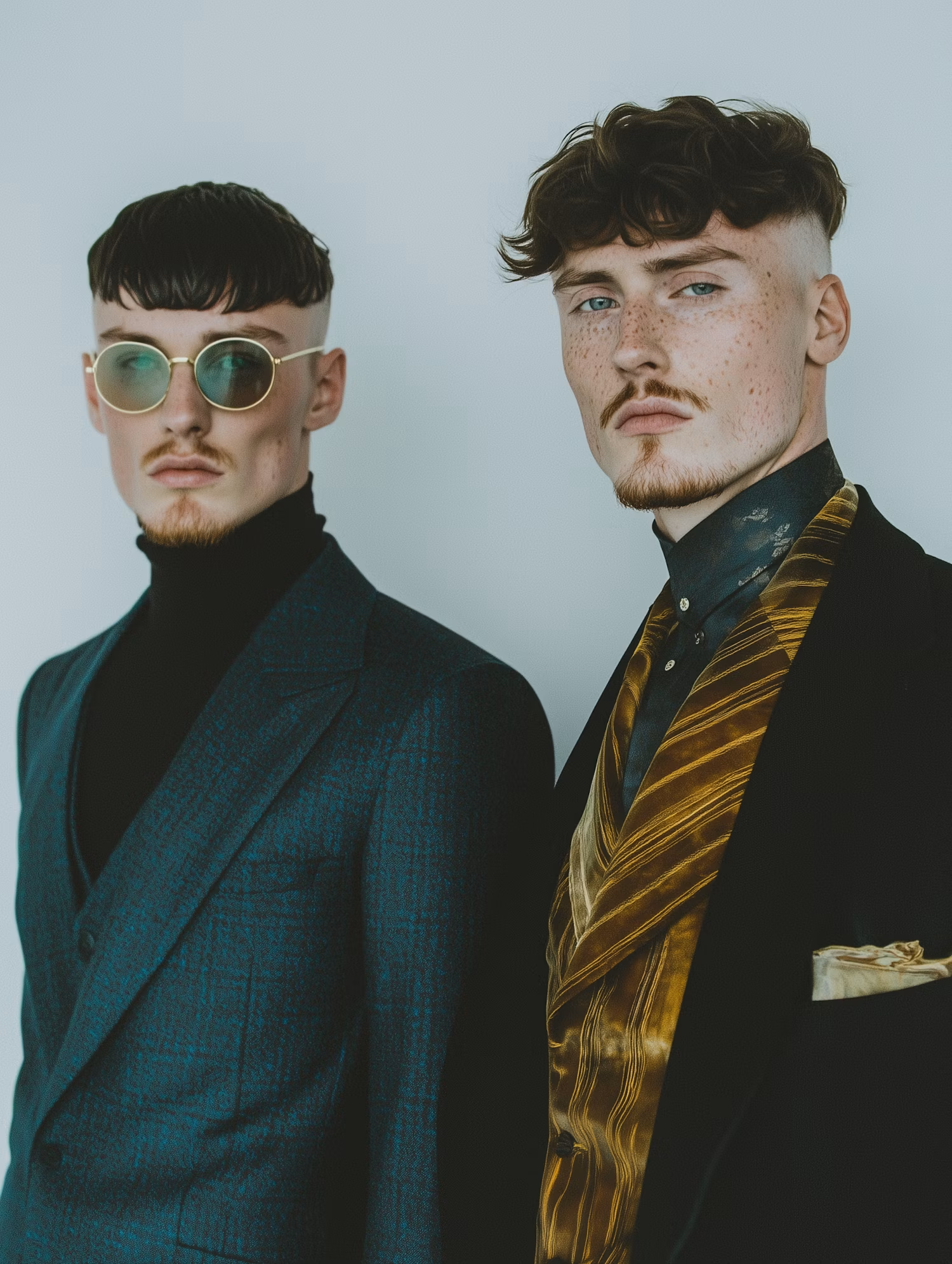
On one side, the internet has helped normalize skincare, fashion, fatherhood, emotional openness, fitness, therapy, and self-care for men. On the other side, it has also amplified hypermasculine trends such as “alpha male” and “sigma male” culture.
This creates a modern contradiction: men are encouraged to be vulnerable, but they are also surrounded by online messages telling them to be dominant, rich, physically perfect, and emotionally untouchable.
Masculinity Became More Flexible
Modern masculinity is not one single identity. It is more flexible than before. A man can be ambitious and sensitive, stylish and strong, competitive and caring, independent and emotionally available.
Sociological research on inclusive masculinity suggests that younger generations are often more comfortable with emotional expression, close male friendships, and rejecting older stereotypes linked to homophobia or emotional repression.
This shift does not mean masculinity has disappeared. It means the definition has expanded.
The Rise of Male Self-Care
Another major change is the growth of male grooming and wellness culture. Skincare, fragrance, haircare, fitness, nutrition, supplements, and fashion are now normal parts of many men’s lifestyles.
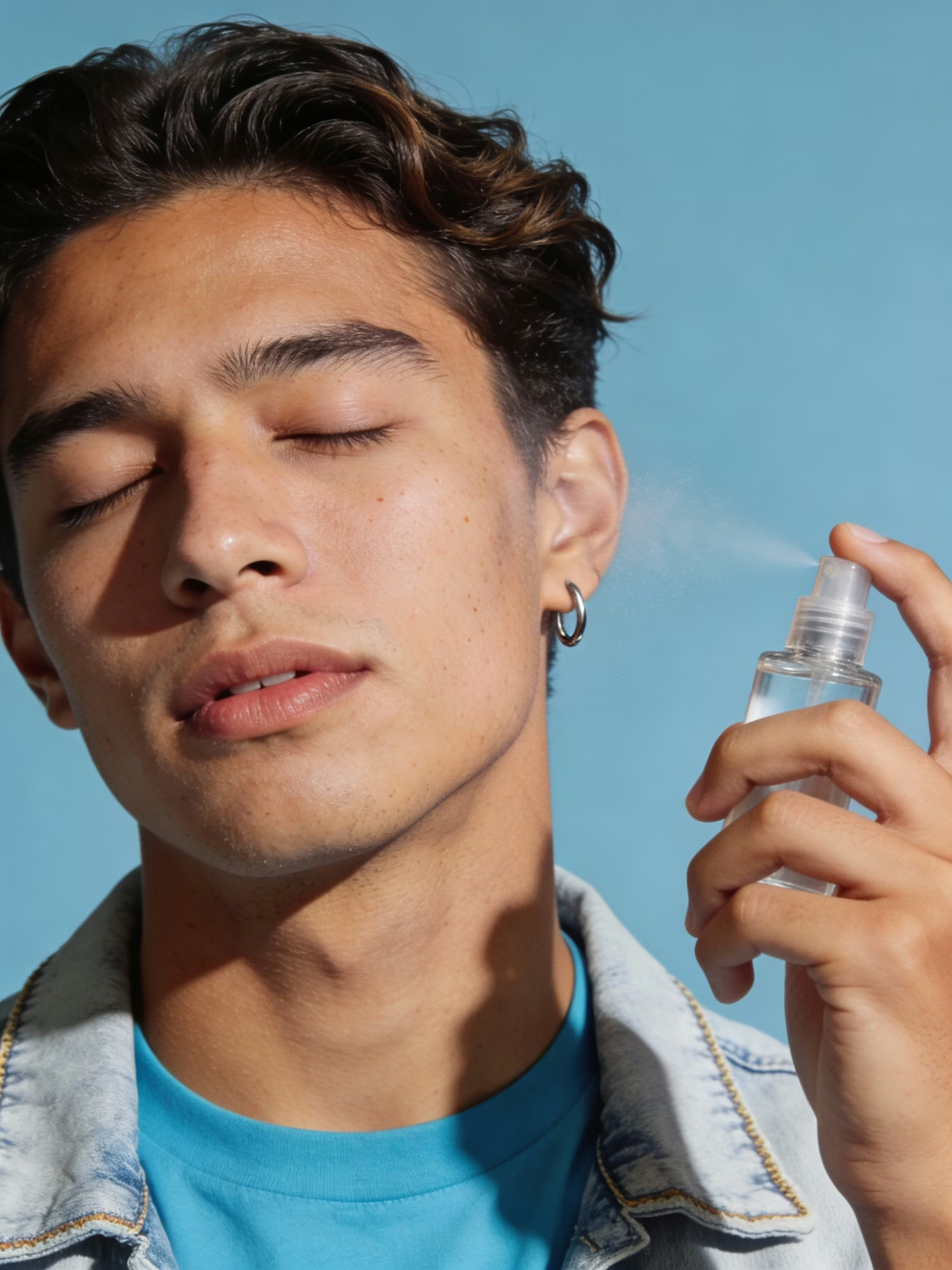
For previous generations, caring about appearance could be unfairly judged as vanity. Today, self-care is often seen as confidence, discipline, and personal presentation.
The modern man is not only expected to work hard. He is also encouraged to look after his body, mental health, personal style, and emotional balance.
Work, Relationships, and New Pressures
Masculinity has also changed because work and relationships have changed. In the past, male identity was often strongly connected to being the main provider. Today, many households are dual-income, gender roles are more balanced, and men are expected to be more active emotionally and domestically.
Modern men are often expected to be successful at work, emotionally present in relationships, involved as fathers, socially confident, physically healthy, and mentally stable. That is a lot of tabs open in one browser.
This creates both progress and pressure. Men have more freedom to define themselves, but they also face new expectations from every direction.
Why the Debate Became So Polarized
The conversation around masculinity has become intense because many people see it through extremes. Some believe traditional masculinity is harmful. Others feel that men are being unfairly criticized for simply being masculine.
The truth is more nuanced. Traits such as courage, discipline, responsibility, leadership, and resilience still matter. What has changed is the growing rejection of aggression, emotional repression, dominance, and shame as the only acceptable expressions of manhood.
The Future of Masculinity
The future of masculinity is likely to be more personal and less rigid. Instead of one model of what a man should be, modern culture is moving toward many possible versions of manhood.
A modern man can be strong without being cold, confident without being controlling, successful without being emotionally absent, and vulnerable without being weak.
What changed is not masculinity itself. What changed is society’s willingness to let men be more human.
References
- American Psychological Association – Research and commentary on masculinity and mental health.
- National Library of Medicine – Studies on contemporary masculinities.
- SAGE Journals – Research on masculinity, gender identity, and social change.
- The Guardian – Cultural reporting on modern masculinity and online male identity.
- Levant, R. F. – Research on the psychology of men and masculinities.