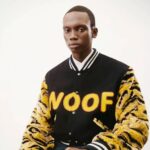


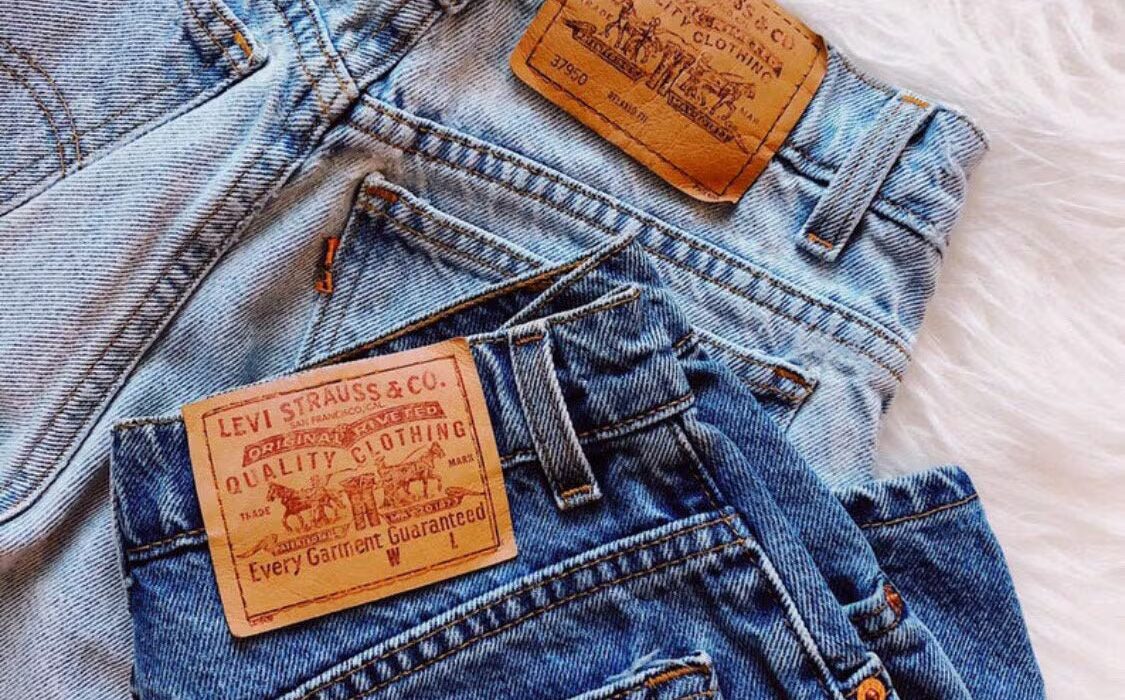
Few pieces of clothing have traveled through history as successfully as jeans. They have been worn by gold miners, movie stars, rebels, rock musicians, fashion designers, factory workers, and presidents. Jeans cross social classes, generations, and cultures in a way few garments ever have.
Today, denim jeans are one of the most recognizable and widely worn items in the world. They represent comfort, rebellion, identity, individuality, and style — sometimes all at once.
📌 The Origins of Jeans
The history of jeans began in the 19th century during the California Gold Rush. Workers needed strong, durable clothing that could survive physically demanding labor.
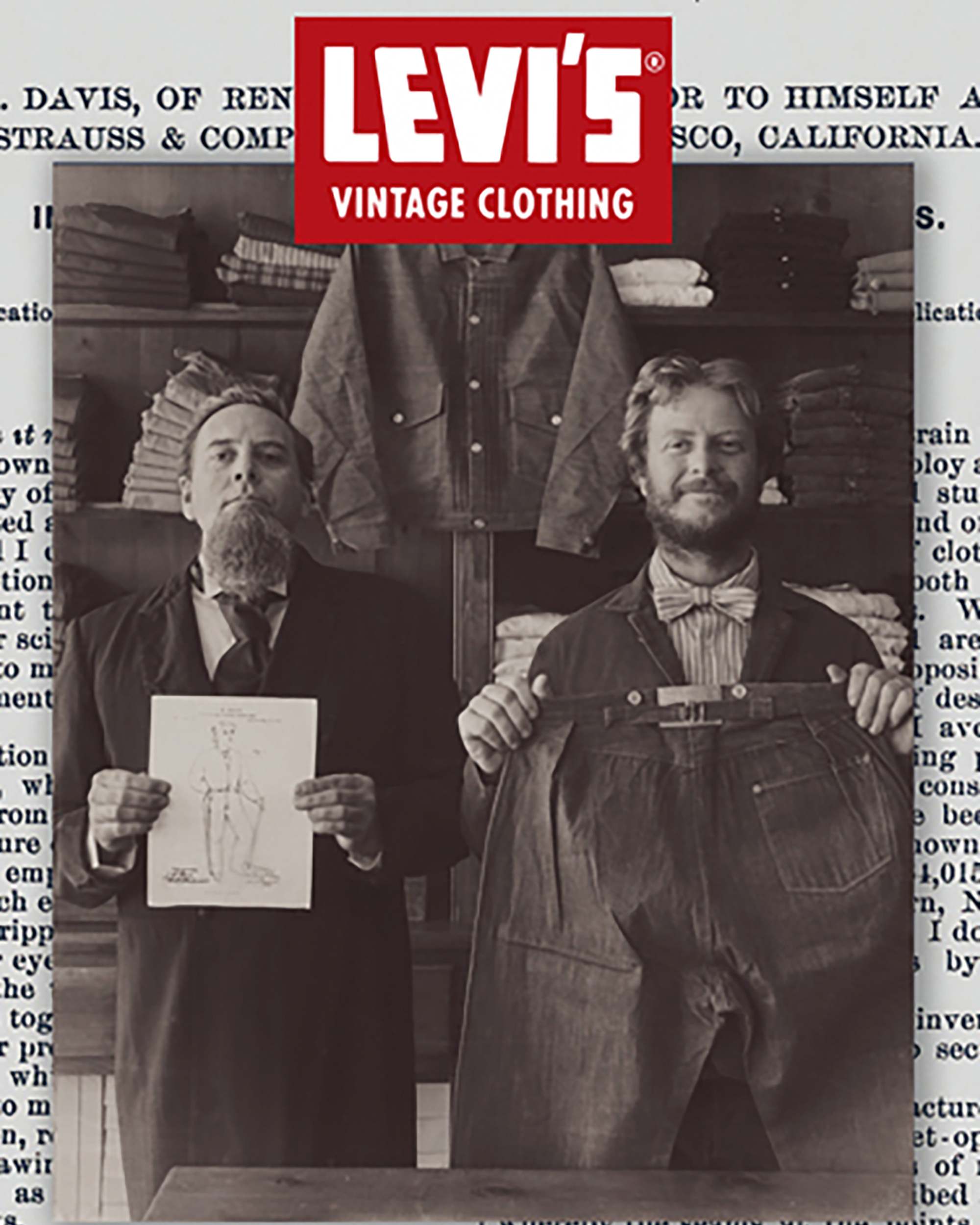
In 1873, businessman Levi Strauss and tailor Jacob Davis patented reinforced work pants made from denim fabric with copper rivets at stress points. These durable trousers quickly became popular among miners, railroad workers, farmers, and laborers.
The word “jeans” likely came from the French name for Genoa, Italy, where similar cotton fabrics were produced. The fabric itself, denim, originated from “serge de Nîmes,” a textile made in Nîmes, France.
📌 From Workwear to Rebellion
For decades, jeans were associated mainly with manual labor and working-class life. That changed dramatically during the mid-20th century.
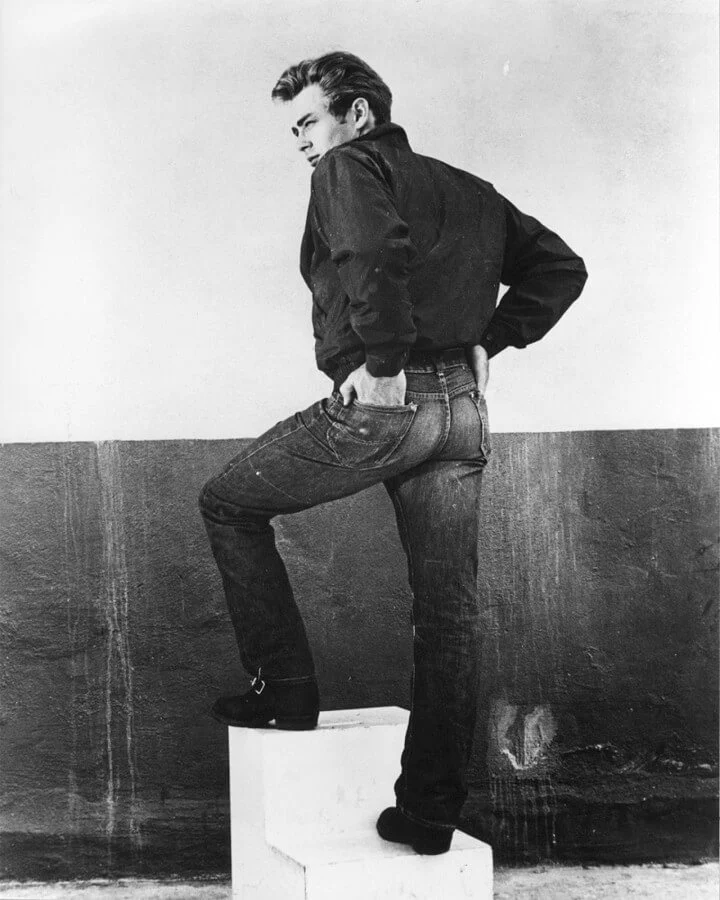
In the 1950s, Hollywood transformed jeans into a symbol of youth rebellion. Actors like James Dean and Marlon Brando wore denim in films that portrayed defiant, independent young men challenging social norms.
Teenagers embraced jeans as a statement against formal dress codes and conservative expectations. Some schools even banned denim because it was considered rebellious or inappropriate.
What had once been workwear suddenly became cultural resistance stitched in blue cotton.
📌 Jeans and Music Culture
Jeans became deeply connected with music and counterculture movements throughout the 1960s and 1970s.
Rock musicians, hippies, and anti-war activists adopted denim as part of their identity. Torn jeans, embroidered denim jackets, patches, and faded styles became symbols of individuality and nonconformity.
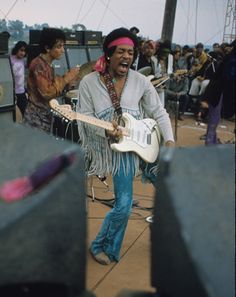
By the 1980s, designer brands transformed jeans again. Companies such as Calvin Klein, Guess, and Diesel introduced premium denim and turned jeans into fashion statements rather than purely casual clothing.
Advertising campaigns helped make denim glamorous, sexy, and luxurious. Suddenly, people were paying high prices for pants originally designed for miners.
📌 The Global Spread of Denim Culture
As American movies, television, and music spread globally, jeans became an international symbol of modern culture.
In many countries, denim represented freedom, Western influence, and youth identity. During the Cold War, jeans became especially desirable in parts of Eastern Europe and the Soviet Union, where they symbolized access to Western lifestyles and culture.
In some places, black-market denim jeans were sold at extremely high prices because of their rarity and cultural value.
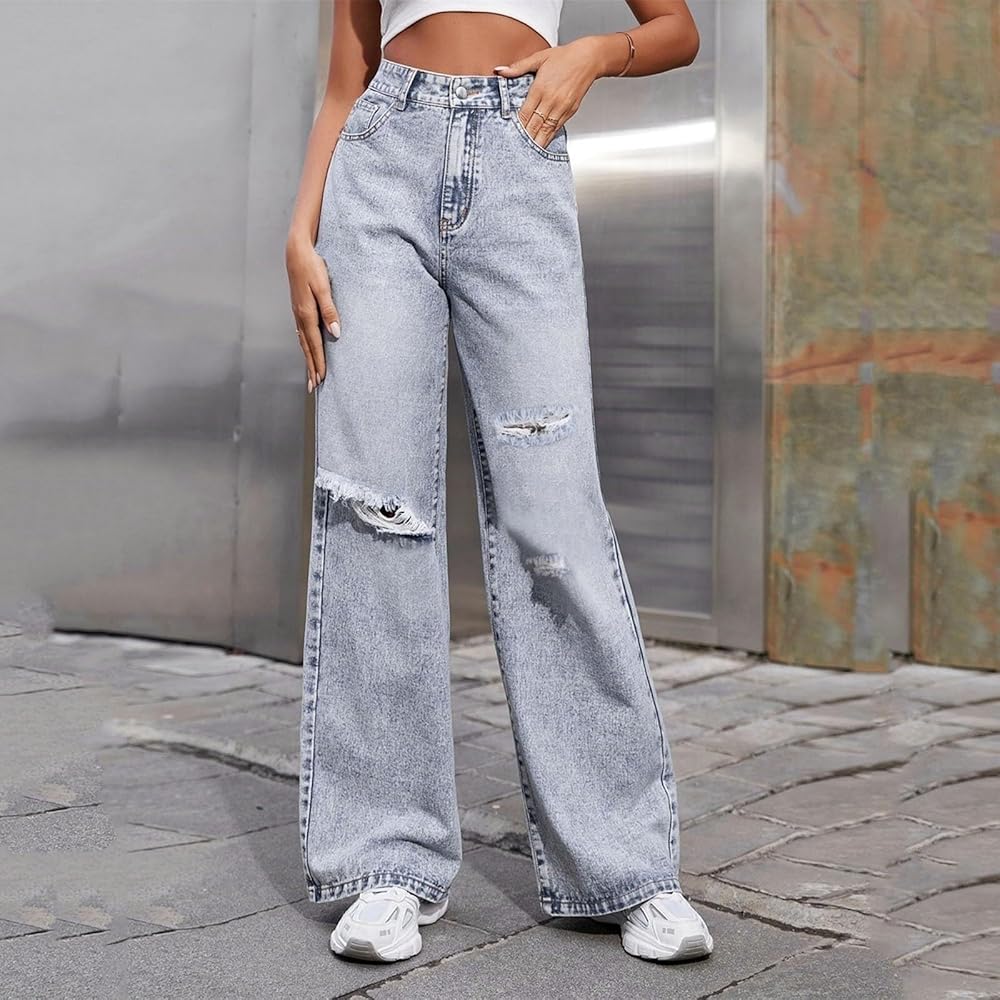
📌 The Evolution of Denim Styles
Jeans have constantly evolved with changing fashion trends.
Popular styles across different decades have included:
- Bootcut jeans
- Bell-bottoms
- Skinny jeans
- Baggy jeans
- High-waisted jeans
- Distressed denim
- Wide-leg and relaxed fits
Each generation reinvents denim according to its own identity and cultural mood.
Hip-hop culture in the 1990s popularized oversized and loose-fitting jeans, while the 2000s brought low-rise denim into mainstream fashion. More recently, vintage-inspired and sustainable denim trends have gained popularity.
📌 Sustainability and the Future of Jeans
Modern discussions about denim increasingly focus on sustainability. Producing jeans requires large amounts of water, cotton, chemicals, and energy.
As environmental awareness grows, many brands are experimenting with:
- Organic cotton
- Recycled denim
- Water-saving production methods
- Ethical labor practices
Consumers are also embracing secondhand and vintage denim as part of sustainable fashion culture.
📌 Why Jeans Remain Popular
Jeans endure because they are adaptable. They can appear casual, rebellious, fashionable, practical, or luxurious depending on how they are worn.
Few garments carry so many meanings at once:
- Working-class roots
- Youth rebellion
- Pop culture influence
- Global fashion identity
- Personal expression
They are one of the rare fashion items that belong almost equally to everyone.
Whether worn on a construction site, a concert stage, or a Paris runway, jeans continue to evolve while remaining instantly recognizable.
More than just clothing, denim has become part of global cultural history — proof that sometimes the most influential fashion statement starts with durable pants designed for hard work.