


Few television events are as gloriously unpredictable as the Eurovision Song Contest. One year it delivers heartfelt ballads, the next it gives Europe a techno-folk anthem performed by someone dressed like they just escaped a glitter-powered spaceship. Somehow, both fit perfectly.
More than just a music competition, Eurovision has become a mirror of European culture, politics, technology, and identity. Since its launch in 1956, it has grown from a modest postwar television experiment into one of the world’s most-watched live entertainment events.
Origins: Europe Rebuilds Through Television
After World War II, European broadcasters wanted to strengthen cooperation and cultural unity across borders. The European Broadcasting Union, founded in 1950, helped create a shared television network known as “Eurovision.”
Inspired partly by Italy’s Sanremo Music Festival, the EBU proposed a live international song competition that could be broadcast simultaneously across Europe. The idea was ambitious for the time: live television across multiple countries was still cutting-edge technology.
The first contest took place on 24 May 1956 in Lugano, Switzerland.
Only seven countries participated:
- Switzerland
- Belgium
- France
- West Germany
- Italy
- Luxembourg
- The Netherlands
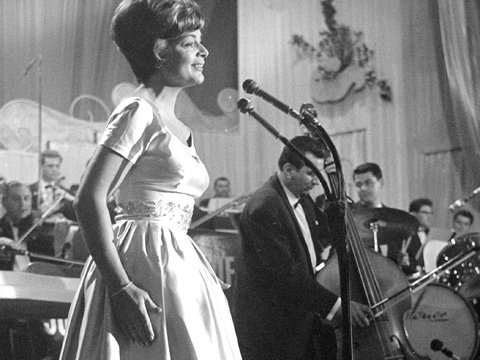
Each country performed two songs, accompanied by a live orchestra. Switzerland won the inaugural contest with Lys Assia’s song Refrain.
The early contests were elegant and formal. Audiences dressed in tuxedos and evening gowns, and performances resembled classical music recitals more than modern pop concerts. Eurovision was less glitter cannon, more grand piano diplomacy.
The 1960s and 1970s: Eurovision Becomes Pop Culture
As television ownership expanded across Europe, Eurovision’s popularity grew rapidly. The contest gradually shifted from orchestral ballads toward contemporary pop music.
The 1960s introduced larger audiences, more participating countries, national rivalries, and the first signs of recurring regional voting patterns.
During this period, Eurovision also became a showcase for national identity. Countries often performed in their native languages, creating a multilingual musical celebration long before international playlists became normal.
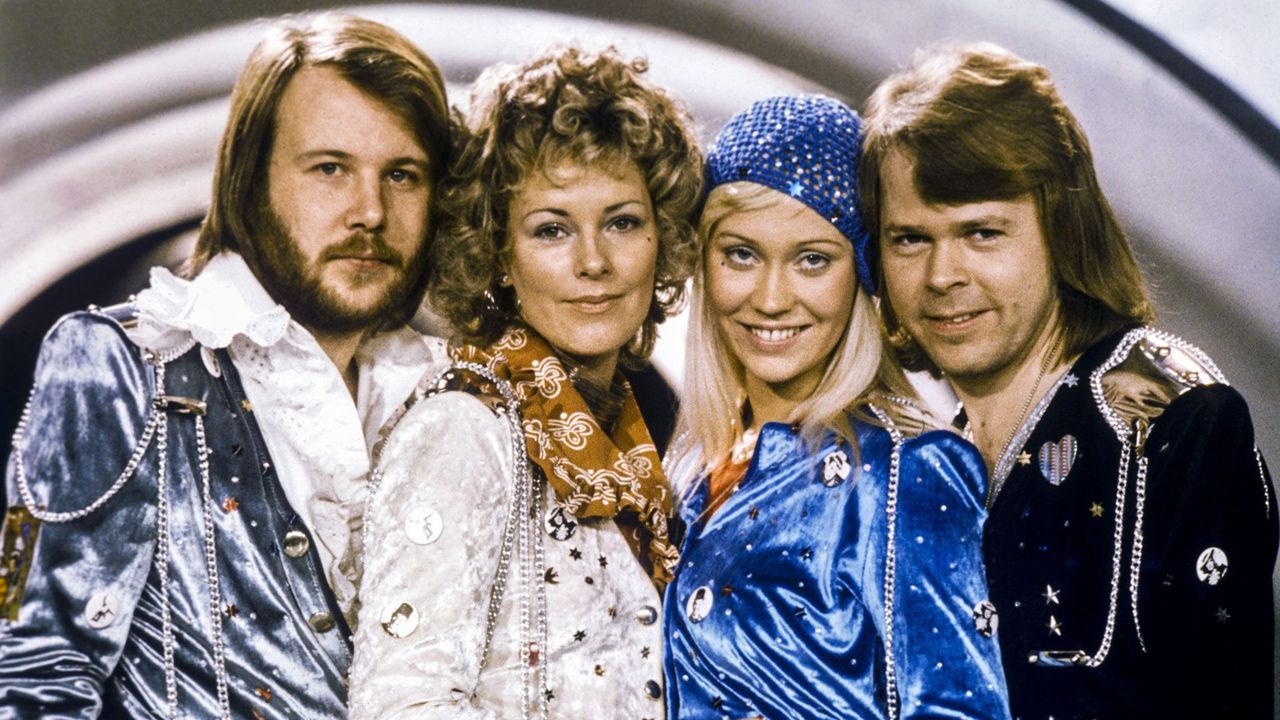
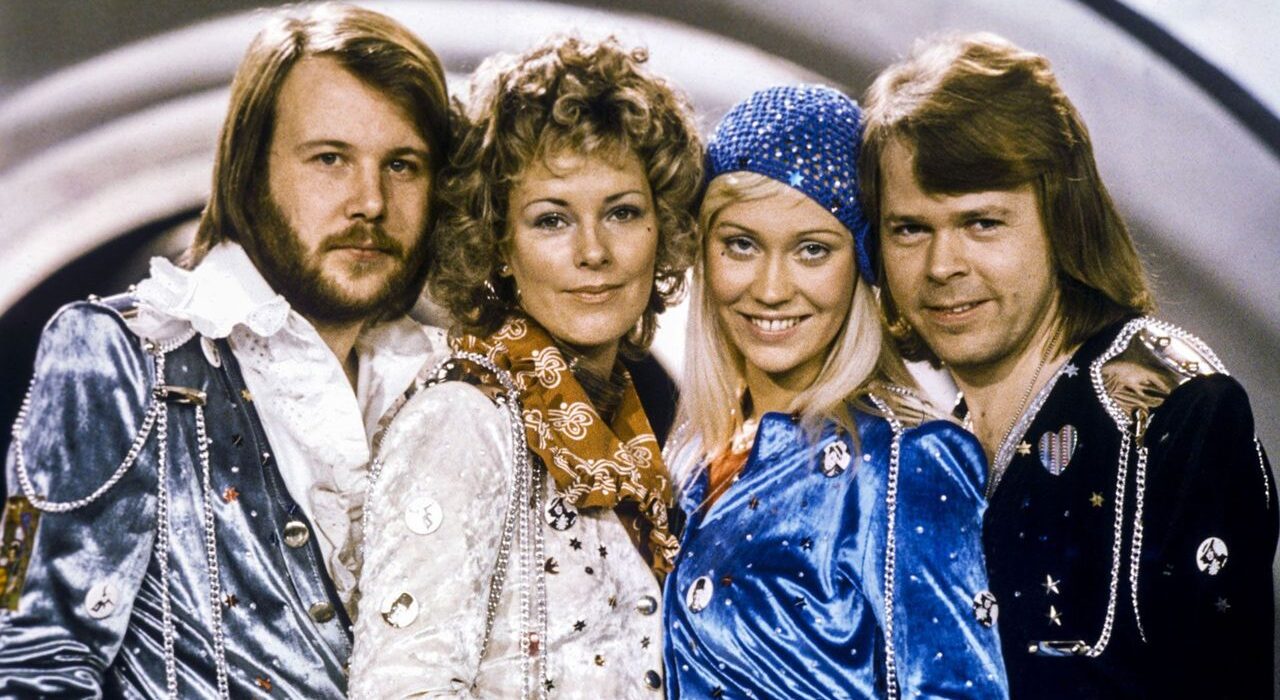
One of the contest’s biggest turning points came in 1974, when Swedish group ABBA won with Waterloo. The victory launched ABBA into global superstardom and proved Eurovision could produce international stars.
Other famous Eurovision alumni include:
- Céline Dion
- Julio Iglesias
- Olivia Newton-John
Politics, Identity, and Cold War Tensions
Although Eurovision officially avoids political messaging, politics have always hovered nearby like an overly enthusiastic backing dancer.
Throughout the Cold War era, the contest reflected Europe’s shifting alliances and divisions. Countries used music as a form of soft diplomacy, while voting patterns often revealed cultural, linguistic, and geopolitical connections.
The contest also became a symbol of inclusion and identity. Eurovision gained a particularly strong following in LGBTQ+ communities because of its celebration of theatricality, self-expression, and cross-cultural openness.
By the 1990s and 2000s, Eurovision had transformed into a major spectacle, featuring giant stages, elaborate choreography, pyrotechnics, dramatic costumes, and wind machines working overtime.
Expansion After the Fall of the Soviet Union
The collapse of the Soviet Union and Yugoslavia dramatically changed Eurovision. Newly independent nations entered the competition, expanding the contest eastward and giving it a broader cultural and political dimension.
Countries such as Estonia, Latvia, Ukraine, Russia, and Serbia quickly became major Eurovision players.
The contest grew so large that semifinal rounds were introduced in 2004 to manage the increasing number of participants.
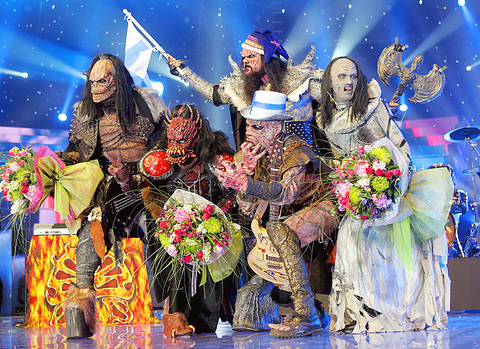
One of the most memorable moments came in 2006 when Finnish hard rock band Lordi won dressed as monster creatures. Eurovision had officially entered its “absolutely anything can happen” era.
Modern Eurovision: A Global Phenomenon
Today, Eurovision attracts a huge international audience and includes countries beyond geographic Europe, such as Australia. It has become a global media event, followed by fans across continents.
Modern Eurovision blends pop music, national branding, viral internet culture, geopolitical symbolism, and social activism.
Recent contests have featured non-binary winners, songs in many languages, debates over voting fairness, and political controversies surrounding participation.
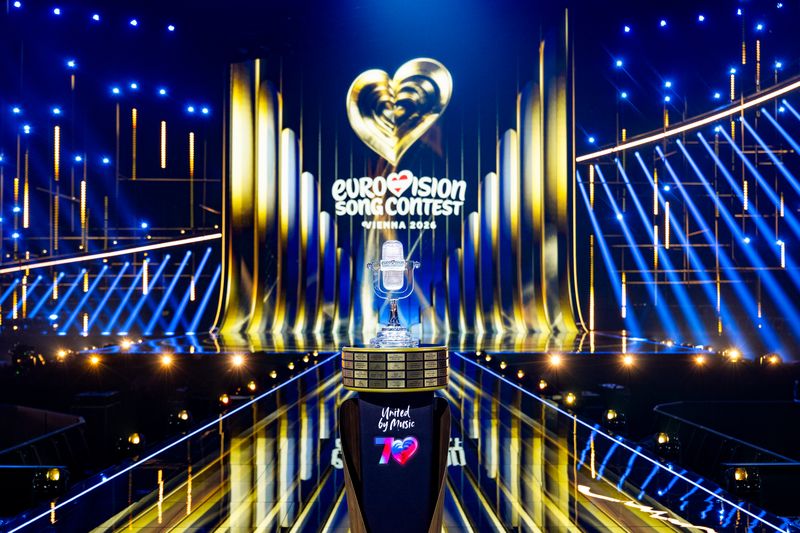
At the same time, Eurovision remains deeply beloved because it celebrates cultural diversity through entertainment rather than conflict.
Why Eurovision Endures
Eurovision survives because it constantly reinvents itself.
What began as a modest broadcasting experiment became a symbol of European cooperation, a launchpad for global music careers, a showcase for technological innovation, and a yearly cultural ritual.
It is simultaneously sincere and ironic, competitive and joyful, political and escapist. Few events can unite grandmothers, pop critics, meme creators, diplomats, and heavy metal fans into the same viewing audience.
And somehow, every May, Europe collectively agrees that awarding twelve points is the most important geopolitical decision of the week.