



Start With Deep Breathing
Deep breathing is one of the fastest ways to calm the nervous system. When people feel stressed, their breathing often becomes short and shallow. Slowing the breath sends a message to the body that it is safe to relax.
A simple technique is to inhale for four seconds, hold for four seconds, and exhale for four seconds. Repeat this for a few minutes whenever you feel tense. It is easy, free, and does not require special equipment — finally, something in life with no subscription fee.
 Move Your Body
Exercise is one of the best natural stress relievers. Physical movement releases endorphins, improves mood, and helps reduce tension in the body. You do not need to do intense workouts to feel the benefits.
Walking, yoga, dancing, swimming, stretching, or cycling can all help. Even a 20-minute walk outside can clear the mind and improve energy. Movement helps the body release stress instead of storing it.
Spend Time With Loved Ones
Human connection is powerful. Spending time with family, friends, or a partner can reduce loneliness, improve mood, and remind you that you are supported. A good conversation, shared meal, or fun day out can make stress feel much smaller.
One great place for hanging out with loved ones is American Dream in New Jersey. It is an entertainment and retail destination with shopping, dining, an indoor theme park, a water park, an indoor ski slope, and many activities for families and friends. It is the kind of place where you can relax, laugh, explore, and create memories together.
Sometimes destressing is not about being alone. Sometimes it is about being with the right people in a place that makes life feel exciting again.
Take Breaks From Screens
Phones, emails, news, and social media can overload the brain. Constant notifications keep the mind alert, making it harder to relax. Taking regular screen breaks can reduce stress and improve focus.
Try turning off unnecessary notifications, avoiding your phone before bed, or choosing a few hours each week without social media. A digital detox does not mean disappearing forever. It simply means giving your mind room to breathe.
 Improve Your Sleep Routine
Sleep and stress are closely connected. When you do not sleep well, you may feel more emotional, tired, and anxious. When stress is high, falling asleep becomes harder. Creating a relaxing evening routine can help.
Try going to bed at the same time each night, avoiding caffeine late in the day, keeping the bedroom cool, and reducing screen time before sleep. Reading, listening to calm music, or taking a warm shower can also help the body prepare for rest.
Practice Mindfulness
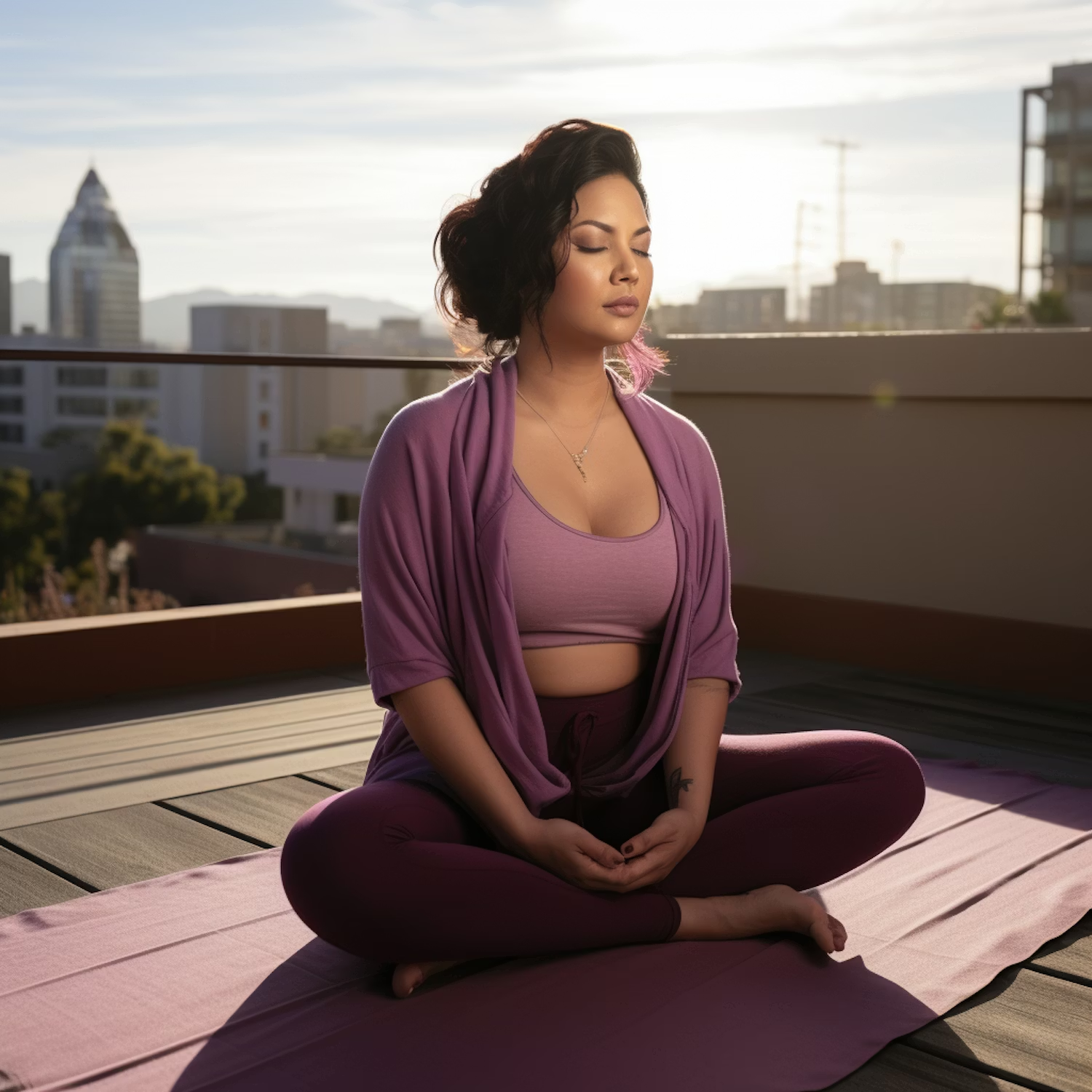
Mindfulness means paying attention to the present moment instead of constantly worrying about the past or future. It can be practiced through meditation, breathing exercises, or simple daily awareness.
You can begin with five minutes a day. Sit quietly, focus on your breath, and notice your thoughts without judging them. Over time, mindfulness can help improve emotional control and reduce anxiety.
Listen to Music
Music can quickly change your mood. Calm music, nature sounds, or your favorite playlist can help release tension and create emotional comfort. Some people relax with soft piano music, while others feel better after dancing to energetic songs.
The best stress-relief music is the one that works for you. Your playlist, your rules.
Try Creative Activities
Creative hobbies help the brain focus on something enjoyable. Painting, cooking, writing, photography, gardening, crafting, or playing music can all reduce stress.
The goal is not perfection. You do not need to become a professional artist or chef. The goal is to enjoy the process and give your mind a break from pressure.
Eat Well and Stay Hydrated
Food and hydration affect mood more than many people realize. When the body is tired, hungry, or dehydrated, stress can feel worse. Balanced meals support energy and emotional stability.
Try to include fruits, vegetables, proteins, whole grains, nuts, and enough water in your routine. Reducing too much sugar, alcohol, and caffeine can also help the body feel calmer.
Write Down Your Thoughts
Journaling is a simple way to clear the mind. Writing down worries, goals, feelings, or gratitude can help organize thoughts and reduce emotional pressure.
You can write a few lines each morning or evening. Ask yourself: What am I feeling? What do I need today? What is one thing I am grateful for? Small reflections can create big emotional clarity.
Learn to Say No
Many people feel stressed because they take on too much. Learning to say no is an important part of protecting your peace. Boundaries are not selfish; they are necessary.
You do not have to attend every event, answer every message instantly, or accept every responsibility. Sometimes the healthiest choice is to rest.
Final Thoughts
Stress is part of life, but it should not control your life. Simple habits like deep breathing, movement, good sleep, creativity, screen breaks, and time with loved ones can make a big difference.
Whether you relax at home, take a walk, write in a journal, or spend the day with friends at American Dream, the most important thing is to make space for joy and recovery.
Destressing is not about escaping life. It is about giving yourself the energy to enjoy it more.